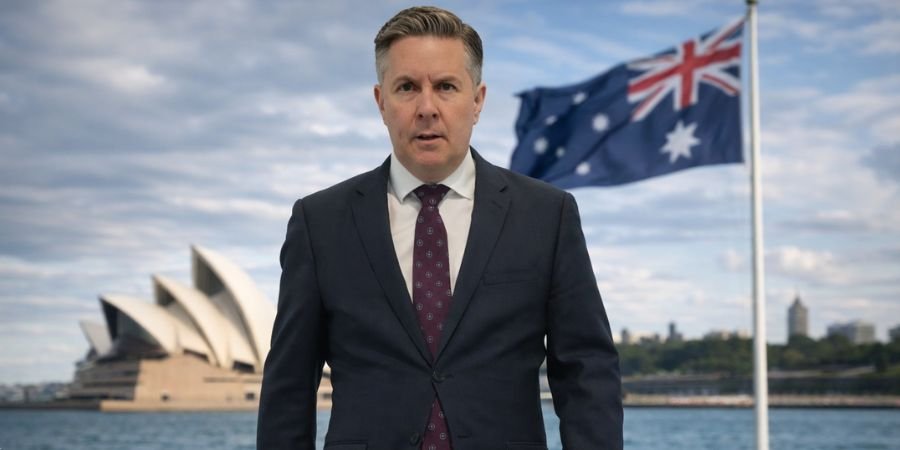
Mark Butler Rejects U.S. Pressure on Drug Pricing
Mark Butler announced that Australia will not increase domestic drug prices or compromise its pharmaceutical pricing protections, following the United States decision to impose 100% tariffs on pharmaceutical imports. His statement marks a firm and immediate response to the escalating trade move.
Butler emphasized that Australia’s healthcare system, particularly its Pharmaceutical Benefits Scheme (PBS), will remain protected. He dismissed any possibility of negotiating away long-standing safeguards that ensure affordable access to medicines for citizens.
A Firm Stand Amid Escalating Trade Tensions
The declaration by Mark Butler represents one of the first major international reactions to the U.S. tariff policy. The move by Washington has sparked concerns globally, particularly among allied nations that rely on stable pharmaceutical trade relationships.
By refusing to align with U.S. pricing pressures, Butler’s stance signals a potential shift toward increased trade friction between Western allies. Analysts suggest that such resistance could encourage other countries to adopt similar positions.
Why the Issue Is Trending Globally
The news is trending due to its broader geopolitical and economic implications. The U.S. tariffs are seen as a protectionist strategy aimed at boosting domestic pharmaceutical manufacturing, but they also risk disrupting global supply chains.
Mark Butler’s response has drawn international attention because it challenges U.S. influence in healthcare policy. His refusal to negotiate drug pricing protections highlights a growing divide over how nations balance trade priorities with public health commitments.
Impact on Healthcare and Global Markets
Australia’s decision to maintain stable drug prices is expected to reassure patients and healthcare providers domestically. However, the broader impact could extend to international pharmaceutical markets, potentially affecting pricing strategies, trade agreements, and supply dynamics.
Industry experts warn that prolonged disagreements may lead to retaliatory measures or renegotiations of existing trade frameworks, particularly in the healthcare sector.
What Comes Next?
As tensions develop, global stakeholders will closely monitor whether other countries follow Australia’s lead or seek compromise with the United States. The situation could evolve into a larger trade dispute, shaping the future of pharmaceutical pricing and international healthcare policy in the months ahead.