Sam Altman Calls Dog Cancer AI Story “Amazing” — Sparks Debate
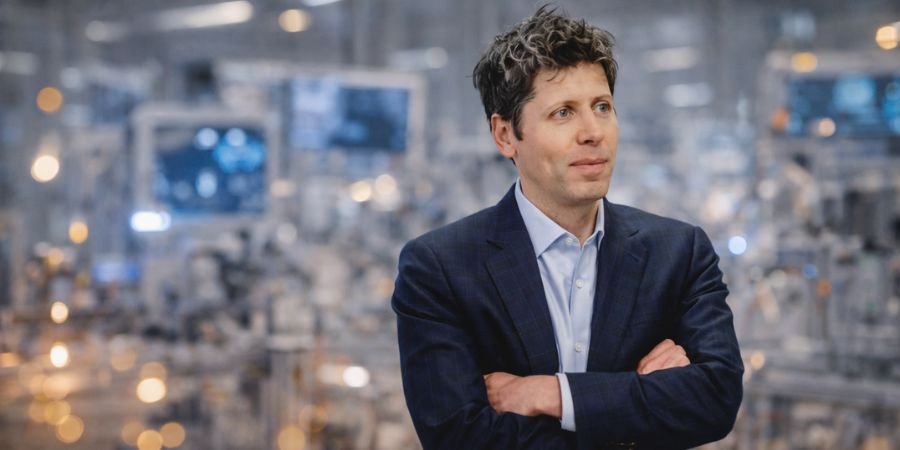
Sam Altman, CEO of OpenAI, became a trending topic after publicly reacting to a viral story involving a dog named Rosie. Altman described the case as “amazing,” drawing global attention to how artificial intelligence is increasingly influencing real-world medical scenarios.
The viral story centers on an Australian man who reportedly used ChatGPT to help design a personalized cancer treatment plan for his dog. While the case has not been independently verified in full scientific detail, it has sparked widespread discussion about the growing role of AI in healthcare.
Why Sam Altman Is Trending Right Now
Sam Altman is trending not just because of the story itself, but due to what his response represents. As the public face of OpenAI, his endorsement of such use cases signals a broader shift in how AI tools are perceived.
Over the past 48 hours, search interest in Altman has surged as users connect him with the rapidly evolving field of medical AI. His reaction has amplified conversations around whether AI can move beyond productivity tools into life-saving applications.
The timing is also critical. With advancements in AI accelerating, real-world stories like this—whether anecdotal or validated—tend to gain traction quickly and influence public perception.
The Viral “Rosie the Dog” Case Explained
The story that triggered the trend revolves around a dog named Rosie, reportedly diagnosed with cancer. According to online discussions, the pet owner turned to ChatGPT for assistance in understanding treatment options and potentially creating a customized care approach.
While AI tools like ChatGPT are not designed to replace professional veterinary advice, they can assist in summarizing research, exploring treatment pathways, and generating questions for medical experts. This has made them increasingly popular among individuals seeking additional insights into complex health issues.
However, experts caution that such use should always be supplementary. Medical decisions—whether for humans or animals—require professional oversight, clinical validation, and ethical considerations.
AI in Healthcare: From Office Tool to Medical Assistant
Altman’s comment has reignited debate about the future of AI in healthcare. Traditionally associated with tasks like writing, coding, and customer support, AI is now entering domains that require high levels of precision and trust.
The concept of “medical AI” is not new, but its accessibility is rapidly expanding. Tools powered by machine learning can assist in diagnostics, drug discovery, and personalized treatment planning. What makes this case unique is the direct involvement of a consumer-grade AI tool in a real-life medical scenario.
This shift raises both optimism and concern. On one hand, AI has the potential to democratize access to information and accelerate innovation. On the other, it highlights the risks of misinformation, overreliance, and lack of regulation.
Public Reaction and Industry Implications
Public response to Altman’s statement has been mixed. Many users have praised the potential of AI to support life-saving decisions, while others have expressed concern about the ethical and safety implications.
Within the tech industry, the incident underscores a growing narrative: AI is no longer confined to the workplace. It is becoming a part of everyday decision-making, including areas as sensitive as health and medicine.
For OpenAI, this moment further cements its position at the center of the global AI conversation. It also places additional responsibility on the company to ensure its technologies are used safely and effectively.
What Happens Next?
As discussions around Sam Altman and the Rosie case continue to gain momentum, the spotlight on AI’s role in healthcare is only expected to intensify. Regulators, medical professionals, and tech leaders may increasingly collaborate to establish clearer guidelines for AI-assisted medical use.
Looking ahead, this viral moment could mark a turning point—where AI transitions from a supportive tool to a more integrated partner in medical innovation, shaping how care is understood, accessed, and delivered worldwide.