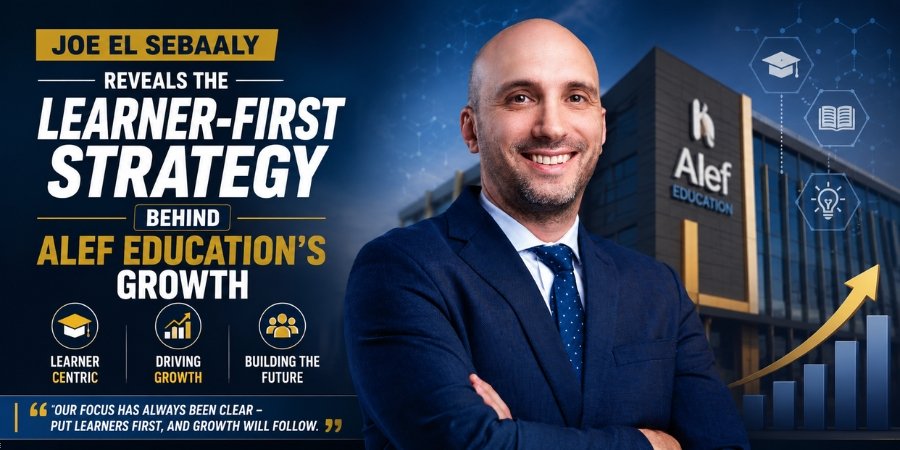
In today’s rapidly changing business environment, leadership is no longer just about managing people and achieving short-term objectives. Organizations that thrive over the long term are often guided by leaders who prioritize development, innovation, adaptability, and continuous improvement. This approach is known as growth focused leadership, a leadership philosophy centered on helping individuals, teams, and organizations reach their full potential while driving sustainable success.
The modern workplace demands more than traditional management techniques. Markets evolve quickly, customer expectations change frequently, and technology continuously reshapes industries. As a result, leaders must develop a mindset that encourages learning, embraces challenges, and fosters growth at every level of the organization.
Moreover, employees today seek meaningful work, opportunities for advancement, and leaders who invest in their professional development. Consequently, organizations that embrace growth focused leadership are better positioned to attract top talent, improve employee engagement, and achieve lasting competitive advantages.
This comprehensive guide explores the principles, benefits, challenges, and strategies associated with growth focused leadership, providing actionable insights for leaders who aspire to create thriving organizations.
Understanding Growth Focused Leadership in Modern Organizations
At its core, growth focused leadership is a leadership approach that prioritizes continuous improvement, development, and long-term value creation. Rather than concentrating solely on immediate results, growth-oriented leaders invest in building capabilities, fostering innovation, and creating environments where people can excel.
Unlike traditional command-and-control leadership models, this approach encourages collaboration, learning, and adaptability. Leaders understand that organizational success depends on the growth and development of individuals within the company. Therefore, they actively support employees in acquiring new skills, expanding their knowledge, and pursuing professional advancement.
Additionally, growth-oriented leaders recognize that mistakes and setbacks are opportunities for learning. Instead of assigning blame, they focus on extracting valuable lessons that can improve future performance. This mindset creates a culture where employees feel safe to experiment, innovate, and take calculated risks.
As organizations face increasing complexity and uncertainty, growth focused leadership has become an essential capability for navigating change and maintaining competitiveness.
The Foundation of Growth Focused Leadership Success
Successful growth focused leadership begins with a strong foundation built on self-awareness, vision, and commitment to continuous improvement. Leaders must first understand their own strengths, weaknesses, and areas for development before effectively guiding others.
Self-awareness enables leaders to identify opportunities for personal growth and model the behaviors they expect from their teams. When leaders demonstrate humility and a willingness to learn, they inspire employees to adopt similar attitudes toward development and improvement.
Furthermore, having a clear and compelling vision is essential. Growth-oriented leaders communicate a future-focused perspective that motivates employees and aligns organizational efforts. This vision provides direction while allowing flexibility for innovation and adaptation along the way.
Equally important is the commitment to continuous learning. Leaders who invest in their own development are better equipped to guide others through challenges, seize emerging opportunities, and drive organizational growth.
Why Growth Focused Leadership Matters More Than Ever
The business landscape has undergone significant transformation in recent years. Global competition, technological disruption, and shifting workforce expectations have created unprecedented challenges for organizations. Consequently, the importance of growth focused leadership has increased dramatically.
One major reason is the accelerating pace of change. Organizations must continuously evolve to remain relevant and competitive. Leaders who encourage learning and adaptability help their teams respond effectively to changing market conditions.
Additionally, employee expectations have shifted considerably. Modern professionals seek opportunities for growth, development, and meaningful contributions. Organizations that fail to provide these opportunities often struggle with employee retention and engagement.
Moreover, innovation has become a key driver of success across industries. Growth-oriented leaders create environments where creativity and experimentation flourish, enabling organizations to develop innovative solutions and maintain competitive advantages.
Therefore, embracing growth focused leadership is no longer optional for organizations seeking long-term success.
Key Characteristics of Growth Focused Leadership
Several defining characteristics distinguish growth focused leadership from other leadership approaches. Understanding these traits can help leaders develop the mindset and behaviors necessary for sustainable success.
First, growth-oriented leaders demonstrate curiosity and a commitment to learning. They actively seek new knowledge, explore different perspectives, and remain open to feedback. This continuous learning mindset enables them to adapt effectively to changing circumstances.
Second, they prioritize employee development. Rather than viewing team members merely as resources, they see them as individuals with unique potential. Consequently, they invest time and effort in coaching, mentoring, and providing growth opportunities.
Another important characteristic is resilience. Growth-oriented leaders understand that setbacks are inevitable. However, they view challenges as opportunities to learn and improve rather than reasons to abandon their goals.
Finally, they foster collaboration and empowerment. Instead of micromanaging, they trust employees to take ownership of their work while providing the support and guidance necessary for success.
Building a Growth Mindset Through Growth Focused Leadership
A growth mindset is a fundamental component of growth focused leadership. Popularized by psychologist Carol Dweck, the concept emphasizes the belief that abilities and intelligence can be developed through effort, learning, and persistence.
Leaders who cultivate a growth mindset encourage employees to embrace challenges and view failures as learning opportunities. They recognize that continuous improvement requires experimentation, practice, and occasional setbacks.
Furthermore, growth-oriented leaders celebrate effort and progress, not just outcomes. By acknowledging the learning process, they create environments where employees feel motivated to take initiative and pursue ambitious goals.
Organizations that foster a growth mindset often experience higher levels of innovation, engagement, and adaptability. Employees become more willing to learn new skills, collaborate across teams, and contribute creative ideas.
As a result, developing a growth mindset is one of the most powerful ways leaders can strengthen growth focused leadership within their organizations.
Creating a Culture of Learning and Development
A strong learning culture is essential for effective growth focused leadership. Organizations that prioritize continuous development are better equipped to adapt to change, improve performance, and maintain long-term success.
Leaders play a critical role in establishing this culture by encouraging curiosity and supporting ongoing education. They provide access to training programs, professional development opportunities, and resources that help employees expand their capabilities.
In addition, growth-oriented leaders promote knowledge sharing throughout the organization. They encourage employees to exchange ideas, collaborate on projects, and learn from one another’s experiences.
Creating a learning culture also involves recognizing and rewarding development efforts. When employees see that growth is valued and supported, they become more engaged and motivated to pursue continuous improvement.
Ultimately, organizations that embrace learning as a core value strengthen their ability to innovate and compete effectively.
Developing High-Performance Teams Through Growth Focused Leadership
High-performing teams do not emerge by accident. They are cultivated through intentional leadership practices that align with the principles of growth focused leadership.
Effective leaders create environments where team members feel empowered, supported, and accountable. They establish clear expectations while providing the autonomy necessary for individuals to contribute their unique strengths and perspectives.
Communication is another critical factor. Growth-oriented leaders foster open dialogue, encourage feedback, and ensure that team members feel heard and valued. This transparency builds trust and strengthens collaboration.
Additionally, they focus on developing team capabilities rather than simply managing performance. Through coaching, mentoring, and skill development initiatives, leaders help employees reach higher levels of effectiveness.
As team members grow individually and collectively, organizational performance improves, creating a positive cycle of development and success.
Innovation and Growth Focused Leadership
Innovation is a natural outcome of growth focused leadership because it thrives in environments that encourage learning, experimentation, and continuous improvement.
Growth-oriented leaders understand that innovation often requires taking risks and challenging conventional thinking. Therefore, they create psychological safety by allowing employees to explore new ideas without fear of punishment for honest mistakes.
Moreover, these leaders encourage cross-functional collaboration, recognizing that diverse perspectives often lead to more creative solutions. By bringing together individuals with different experiences and expertise, organizations can generate breakthrough innovations.
Leaders also allocate resources to support experimentation and innovation initiatives. Whether through dedicated innovation programs, pilot projects, or employee-driven ideas, they demonstrate a commitment to growth and advancement.
As a result, organizations led by growth-focused leaders are often more agile, innovative, and competitive.
Overcoming Challenges in Growth Focused Leadership
Although growth focused leadership offers numerous benefits, implementing this approach is not without challenges. Leaders often encounter resistance, uncertainty, and competing priorities as they work to create growth-oriented cultures.
One common challenge is overcoming fear of change. Employees may feel uncomfortable with new expectations, responsibilities, or ways of working. Consequently, leaders must communicate clearly and provide support throughout the transition process.
Another challenge involves balancing short-term performance demands with long-term development goals. While immediate results remain important, leaders must avoid sacrificing growth opportunities in pursuit of short-term gains.
Additionally, fostering a culture of continuous learning requires patience and consistency. Cultural transformation does not happen overnight. Leaders must remain committed to reinforcing growth-oriented behaviors and values over time.
By addressing these challenges proactively, organizations can successfully implement and sustain growth focused leadership practices.
Measuring Success in Growth Focused Leadership
Measuring the effectiveness of growth focused leadership requires evaluating both organizational outcomes and employee development indicators.
Traditional metrics such as revenue growth, profitability, and market share remain important. However, leaders should also assess factors related to learning, engagement, and capability development.
Employee retention rates, promotion rates, and participation in development programs can provide valuable insights into organizational growth. Similarly, employee engagement surveys can help leaders understand whether team members feel supported and empowered.
Innovation metrics are also useful. Tracking new product development, process improvements, and employee-generated ideas can reveal how effectively an organization fosters growth and creativity.
By combining quantitative and qualitative measures, leaders can gain a comprehensive understanding of their impact and identify opportunities for improvement.
The Future of Growth Focused Leadership
The future of leadership will increasingly emphasize adaptability, learning, and human-centered development. As organizations continue to navigate uncertainty and complexity, growth focused leadership will become even more critical.
Emerging technologies, remote work models, and evolving workforce expectations will require leaders to develop new skills and approaches. Leaders who embrace continuous learning and encourage innovation will be better positioned to guide their organizations through future challenges.
Furthermore, the emphasis on employee well-being, diversity, and inclusion will continue to grow. Growth-oriented leaders recognize that diverse perspectives and supportive environments contribute significantly to organizational success.
As businesses evolve, the principles of growth focused leadership will remain highly relevant because they address the fundamental drivers of long-term growth and sustainable performance.
Practical Strategies to Strengthen Growth Focused Leadership
Leaders seeking to enhance their effectiveness can implement several practical strategies aligned with growth focused leadership principles.
Start by investing in personal development. Read industry publications, attend leadership programs, seek mentorship, and continuously expand your knowledge. Personal growth enhances leadership effectiveness and credibility.
Next, prioritize regular coaching conversations with team members. Rather than focusing solely on performance evaluations, discuss career aspirations, development goals, and learning opportunities. These conversations strengthen relationships and support employee growth.
Additionally, encourage experimentation and innovation. Create opportunities for employees to propose new ideas, test solutions, and contribute to organizational improvement. Celebrate both successes and valuable learning experiences.
Finally, model the behaviors you wish to see throughout the organization. Demonstrate curiosity, resilience, adaptability, and commitment to growth. Leadership behavior significantly influences organizational culture and employee engagement.
Conclusion: Embracing Growth Focused Leadership for Lasting Impact
The most successful organizations understand that sustainable growth begins with effective leadership. Growth focused leadership provides a powerful framework for developing people, driving innovation, and achieving long-term success in an increasingly competitive environment.
By fostering continuous learning, encouraging adaptability, and investing in employee development, leaders can create cultures where individuals and organizations thrive. Moreover, this approach strengthens engagement, enhances innovation, and improves overall performance.
While implementing growth focused leadership requires dedication and persistence, the rewards are substantial. Organizations become more resilient, employees become more capable, and leaders create meaningful, lasting impact.
As the future of business continues to evolve, leaders who embrace growth-oriented principles will be better equipped to navigate challenges, seize opportunities, and build organizations that achieve sustainable success for years to come.