U.S. Blue-Collar Labor Shortage Imperils AI and Manufacturing Growth
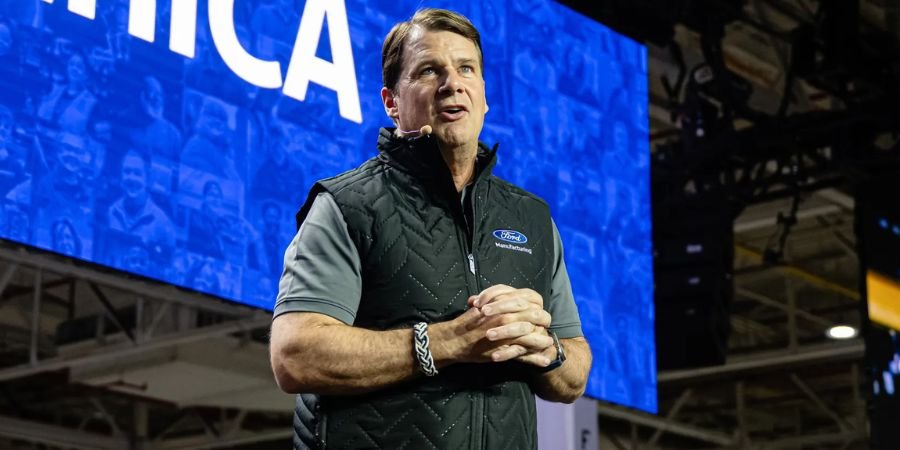
Ford Motor Co. Chief Executive Jim Farley warned that the U.S. is facing a swelling shortage of blue-collar workers needed to construct and staff factories, data centers and industrial infrastructure behind artificial intelligence and advanced manufacturing.
Jim Farley said the lack of skilled trade workers poses a direct risk to the country’s ability to support its industrial and technological goals, describing the issue as a weakness within the nation’s essential economy.
Shortage in Essential Trades Escalates
According to Jim Farley, “There’s demand for skilled technicians, construction workers, and factory staff outstripping supply in many areas.” He pointed out the workforce in these areas is not only key for “manufacturing in the classic sense of the word…but also for infrastructure” related to AI.
This labor shortage has already led to many unfilled job openings and has posed problems for businesses seeking to extend their business and meet their production goals in the future.
Workforce Gap Stretches Beyond Manufacturing Sector
Jim Farley emphasized that the lack of blue-collar employees is not only confined to the automotive industry. There are also labor shortages in the construction and maintenance, and industrial services fields, which could result in delays in infrastructure development projects.
With the momentum of investing in AI and manufacturing in the country, there is a growing need for talented individuals to contribute to these efforts.
Call for Training and Policy Solutions
In an effort to rectify the labor shortage, Jim Farley has advocated for more investment in vocational education and apprenticeship programs. He believed that skilled trade jobs must be made more accessible and appealing to the next generation of workers in the labor pool.
Without purposeful action, labor shortages could also erode progress made to improve homegrown manufacturing capabilities and AI-related infrastructure, according to Jim Farley.
Broader Economic Implications
According to industry analysts, labor shortages could help slow down the construction of factories, data centers, and reshoring initiatives. A labor shortage in blue-collar workers could affect U.S. competitiveness in strategic industry sectors.
As corporations and policymakers focus on their growth models, the need for a strong talent pipeline is becoming more prominent as the future for economic strength as well as technological development.
Read Also: Sophie Turner Unveils Stunning Lara Croft Transformation for Upcoming ‘Tomb Raider’ Series