Automotive Leadership: Kenta Kon Appointed CEO of Toyota Motor
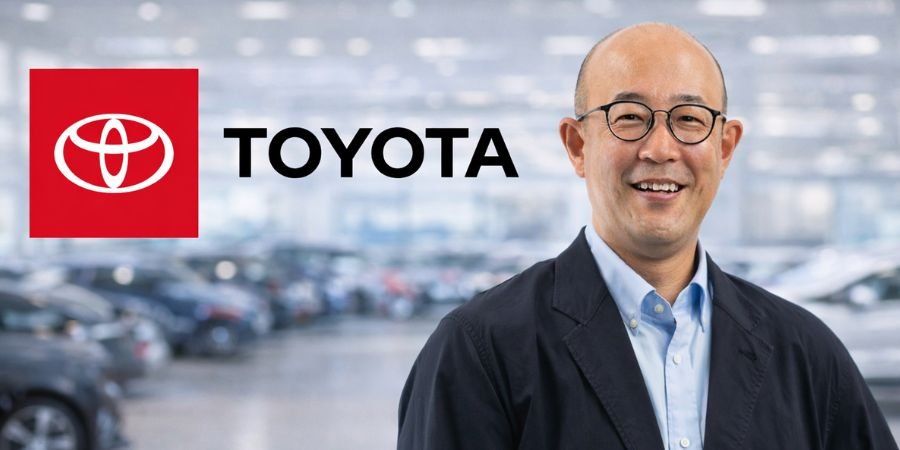
Kenta Kon has been appointed Chief Executive Officer of Toyota Motor Corporation, succeeding Koji Sato, the company confirmed in an official statement on Monday.
The leadership transition places the former Chief Financial Officer at the helm of the world’s largest automaker by global sales, signaling a decisive strategic recalibration at a time of industry-wide transformation.
Automotive Leadership Transition Signals Strategic Pivot
Kon’s elevation from CFO to CEO underscores Toyota’s intent to strengthen financial discipline while accelerating investments in electrification, software-defined vehicles, and next-generation mobility platforms.
Industry analysts view the appointment as a move toward tighter integration between capital allocation and long-term product innovation. As CFO, Kon was widely credited with reinforcing Toyota’s balance sheet resilience while navigating supply chain disruptions and global market volatility.
By appointing a finance-focused executive to the top role, Toyota appears to be aligning operational efficiency with its evolving mobility ambitions.
Context: Toyota’s Evolving Global Strategy
Under outgoing CEO Koji Sato, Toyota intensified its push into battery electric vehicles while maintaining its hybrid leadership position. The company also expanded investments in hydrogen technology and advanced manufacturing.
Kon now inherits a complex roadmap that includes scaling EV production, enhancing autonomous driving capabilities, and expanding digital mobility services across key markets including North America, Europe, and Asia.
As regulatory pressures tighten and competition intensifies from both legacy automakers and emerging EV manufacturers, Toyota’s leadership shift comes at a critical inflection point.
Automotive Leadership and Financial Stewardship
Kon’s financial background is expected to shape Toyota’s capital strategy as the company balances aggressive R&D spending with shareholder expectations.
Market observers note that maintaining profitability during a capital-intensive EV transition will be central to Toyota’s competitive positioning. The appointment suggests a sharper focus on operational agility, cost optimization, and disciplined global expansion.
The company cited continuity, stability, and strategic clarity as key factors behind the decision.
What Comes Next
Toyota stated that the leadership change is effective immediately. Kon is expected to outline updated strategic priorities in the company’s upcoming earnings briefing.
As Automotive Leadership evolves amid rapid technological disruption, Kon’s tenure will likely be defined by how effectively Toyota converts its financial strength into scalable innovation.
Investors and industry stakeholders will be closely watching whether this executive transition accelerates Toyota’s transformation into a fully integrated mobility powerhouse in the years ahead.
Read Also: Michael Kratsios Proposes Cooperative AI Infrastructure Model to Global Business Delegation